
How Synthetic Diamonds Are Made
Natural diamonds are formed when carbon, exposed to high temperatures and pressures deep within the Earth for millions of years, transforms into diamond and is then rapidly pushed to the surface by tectonic movements, where it is mined. ‘Synthetic diamonds’ (synthetic diamond) are created by artificially replicating this formation process using high-pressure equipment to forcibly synthesize graphite into diamond. They are also known as ‘man-made diamonds’ (man-made diamond) or “lab-grown diamonds.”
Synthetic diamonds can be produced with crystal structures and physical properties nearly identical to those of natural diamonds, and some even possess superior characteristics in terms of hardness, thermal and electrical conductivity, and electron mobility compared to natural products. After all, because they can be supplied with consistent quality, synthetic diamonds have long been used for so-called “industrial applications” such as abrasives, cutting tools, and heat sinks. Furthermore, “synthetic” diamonds are being reevaluated from the perspective of issues such as conflict diamonds (a source of war funding) and child labor, which are particularly problematic in Africa. Additionally, technological innovations have made it possible to produce large stones—something previously considered difficult—leading to their growing presence in the jewelry market in recent years.
Here, we will introduce the principles behind the current mainstream methods of synthetic diamond manufacturing.
High-Temperature,
High-Pressure (HPHT) Method
Chemical vapor deposition (CVD) method
Plasma CVD: This method involves generating a plasma region within a gas primarily composed of carbon, such as methane, using microwaves or direct current discharge, and depositing carbon atoms onto a substrate.
Explosive Shock Compression Method
For inquiries or questions,
please contact us here
We'll help you find the superabrasive product that best suits your needs.

Manufacturing Process Using the High-Temperature, High-Pressure Method
Manufacturing Process for Superabrasives
01
Fill the capsule with raw materials (graphite, HBN, and metal solvent)
02
Diamonds and CBN are synthesized by baking the capsules in a high-temperature, high-pressure press
03
Crush the composite material to extract diamonds and CBN
04
Using an acid as a catalyst, dissolve the non-synthetic materials to extract only the diamond and CBN
05
Use a neutralizing agent and water to remove the acid from the abrasive grains
06
Sorting abrasive grains by size using a sieve
07
Sorting abrasive grains using a shape sorter
08
Measure strength and conduct quality inspections using a compression tester and a crusher (flyability tester)
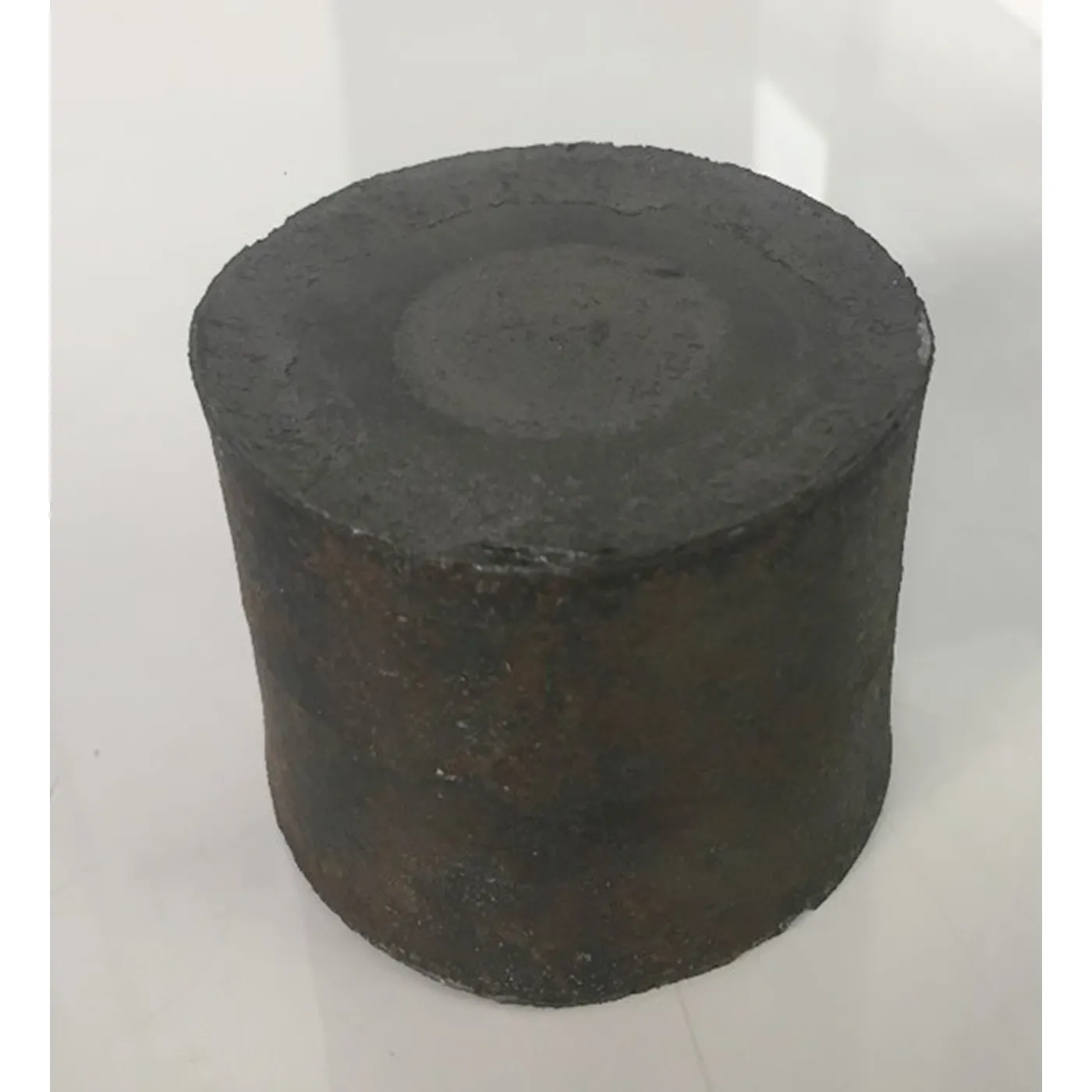
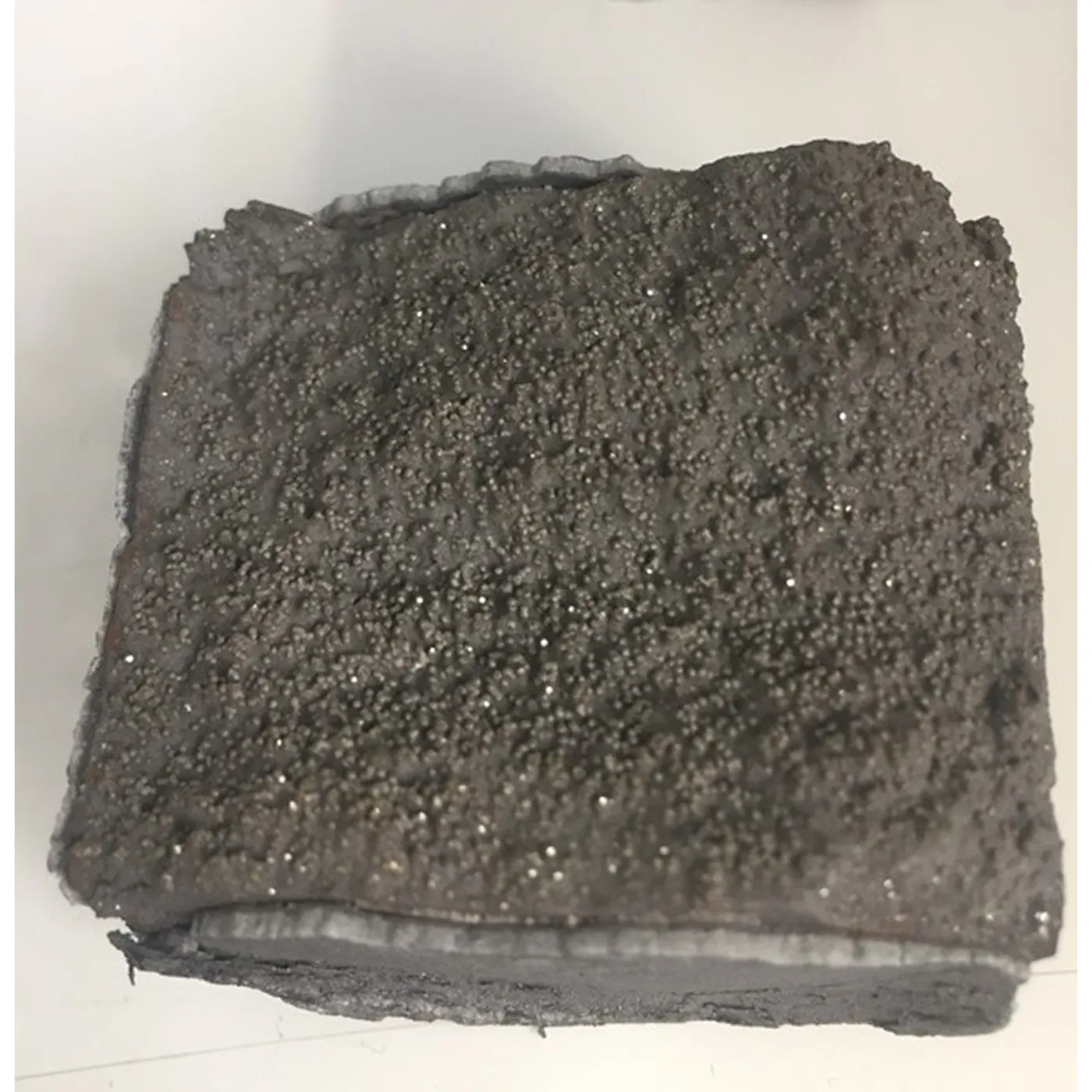
Raw material cells after Cubic Press compression
The specks of light visible in the cross-section are diamond particles. This lump is finely crushed and then dissolved and extracted using strong acid. It is then sorted by size and processed into finished products.
About Global Diamond
 Evaluation and Recommendations for Your Current Abrasive Grains
- Support for Special Mesh Sizes
- Precision Coarse-Grain Cutting
We also offer contract analysis services
Consultations and Inquiries
Other Technical Information
-
Mesh Size Chart

-
Micron Designations and Particle Size Standards
-
How Laser Diffraction Particle Size Analysis Works
-
Method for Measuring Abrasive Grain Strength (TI/TTI)
-
(M)SDS
-
How Synthetic Diamonds Are Made
-
When Selecting Superabrasives
-
Diamond as a heat-dissipating material
-
What Are Industrial Diamonds?
-
What are abrasive grains?
-
What is CBN?